



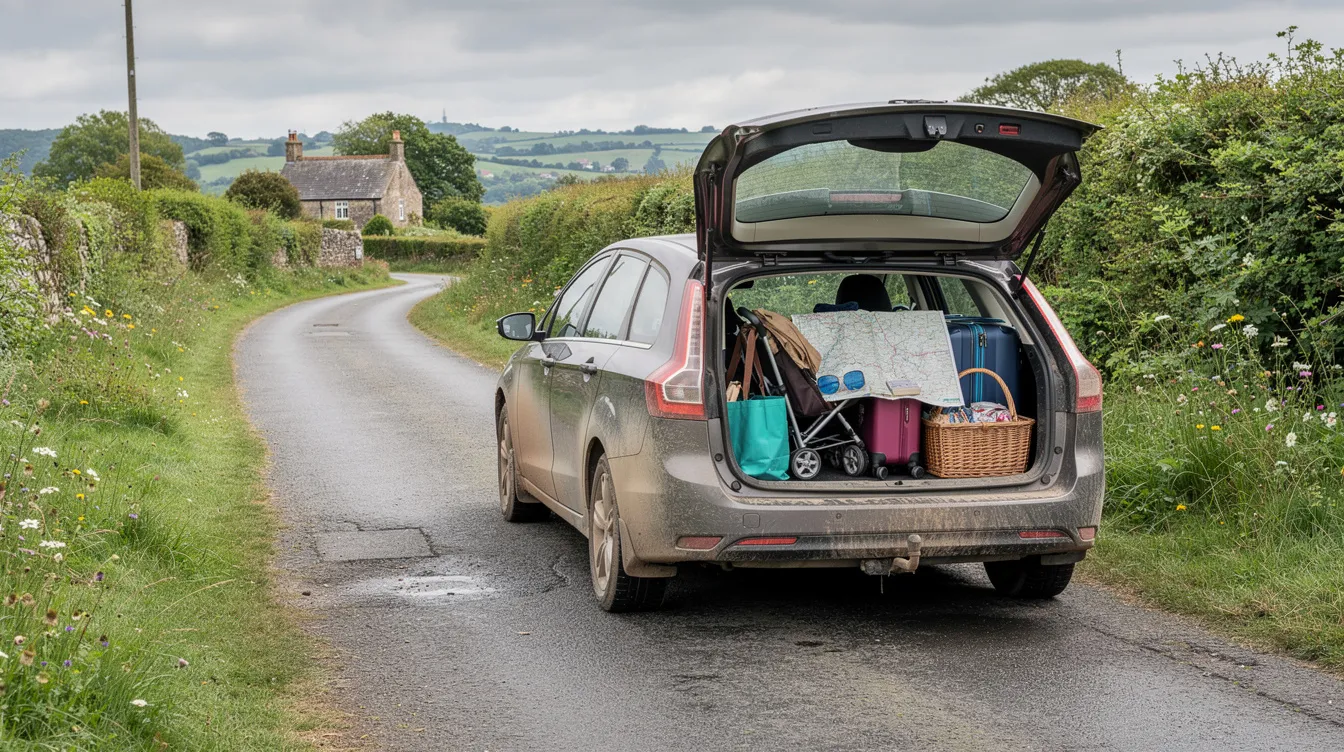
Is Now a Good Time to Upgrade Your Car in Somerset?
Spring and summer 2026 present a strong opportunity for Somerset and Greater Bristol drivers to upgrade their vehicle. With 26-plate registrations flooding the market since March, competitive finance rates, and Bristol’s Clean Air Zone now firmly established, the timing works in your favour.
Key Takeaways
-
With 26-plate registrations from March 2026 and improved used car supply, many North Somerset drivers can upgrade with lower monthly costs than expected. As of May 2026, used car prices have decreased by 1.1% month-on-month, with a 7% increase in supply allowing buyers more negotiating power.
-
Rising repair bills, Bristol Clean Air Zone charges, and changing family needs are clear signs it makes more sense to switch cars now rather than keep paying for an ageing vehicle.
-
Upgrading to a newer SEAT (petrol, mild-hybrid, or electric) can cut running costs, boost safety features, and ensure CAZ compliance for Bristol commuters.
-
Holders of Congresbury, located between Bristol and Weston-super-Mare on the A370, can value your current car for free, talk through finance, and arrange local test drives.
Is Now a Good Time to Upgrade Your Car in Somerset?
For many drivers, yes. May 2026 sits at a sweet spot where several factors align. The 26-plate release in March brought fresh stock of nearly-new and ex-demonstrator models onto the market, pushing prices down on 1-3-year-old vehicles. Early 2026 is characterised by strengthening supply and attractive financing incentives, creating favourable buying conditions.
Local driving realities make the case stronger. If you’re commuting from Weston-super-Mare, Clevedon, or Yatton into Bristol, you’re navigating the A370 corridor and potentially entering the Clean Air Zone daily. Bristol’s CAZ charges £9 per day for non-compliant older cars, that’s over £2,000 annually for five-day commuters. Modern vehicles with better fuel efficiency and safety tech simply perform better on congested M5 and A38 routes.
Car technology has moved rapidly since 2016-2018 plates. Driver assistance systems like Front Assist, Lane Assist, and adaptive cruise control are now standard on newer models, features that reduce fatigue on fog-prone Mendip roads. If your current vehicle is over 8-10 years old and logging 10,000+ miles annually, upgrading in 2026 can prove cheaper than keeping it going through repeated repairs.
Signs It’s Time to Upgrade Your Car
Not sure whether to make the switch? Here are the warning signs North Somerset drivers should watch for:
-
Rapidly rising repair bills: If your yearly repair bill is approaching the value of your car, it may be more cost effective to invest in a newer model with lower running costs and improved reliability. Average maintenance for 2013-15 diesels now hits £850-£1,200 annually.
-
Dashboard warning lights and breakdowns: Frequent issues on the M5 or A38, safety-critical faults like worn suspension, or MOT failures signal it’s time to upgrade.
-
Lifestyle changes: Changes in family circumstances, such as welcoming a new child, often necessitate upgrading to a vehicle with more space and better boot space. Downsizing after kids leave? A nimble Ibiza might suit better.
-
New commuting patterns: Increased daily mileage due to a new job can lead to the decision to upgrade to a more reliable and fuel efficient vehicle. Starting at UWE or Bristol Uni? You’ll want CAZ compliance.
-
Tech and comfort fatigue: No Apple CarPlay, poor headlights for winter B-road driving, or noisy cabins making long trips to Cheddar Gorge exhausting.
If two or more signs apply, book a valuation at Holders of Congresbury.
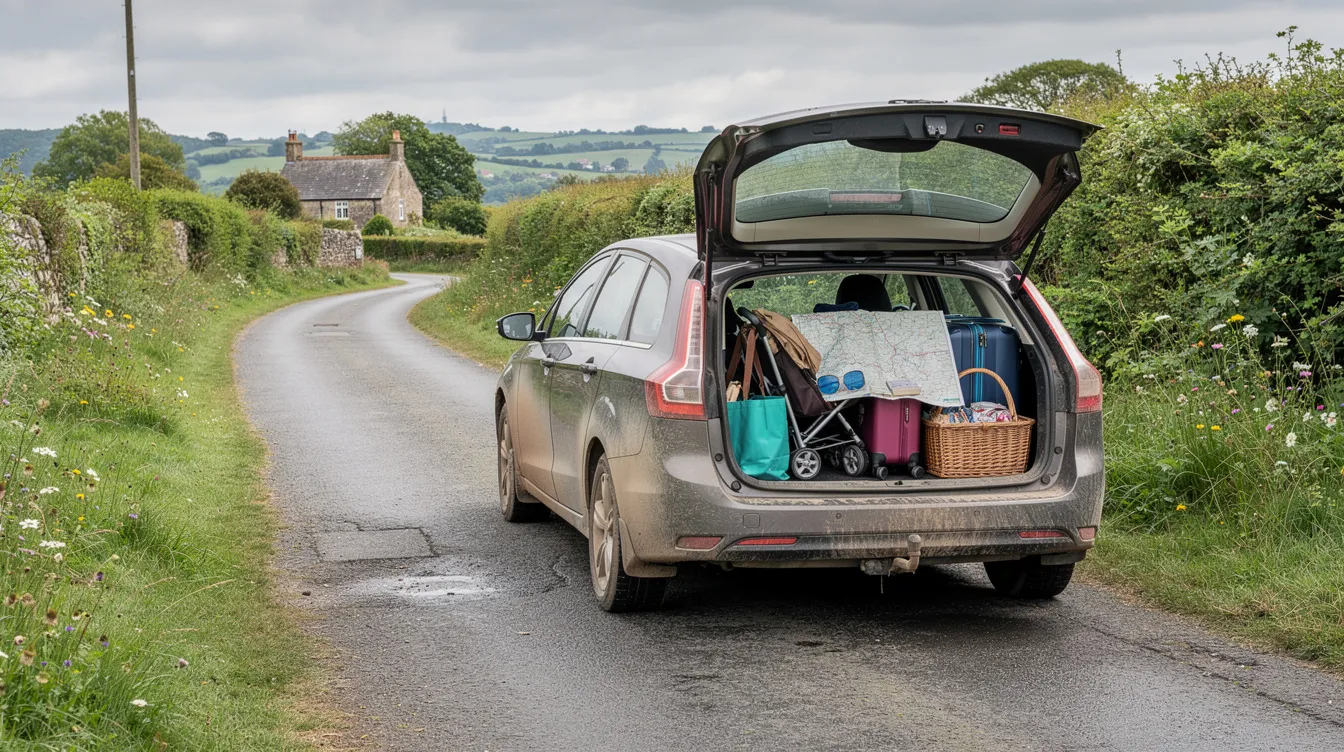
Local Factors in Somerset & Bristol That Make 2026 a Smart Time to Change
If a car fails its MOT badly, the owner often feels rushed into a purchase; planning earlier avoids that pressure.
Bristol’s Clean Air Zone, operational since November 2022, charges older non-compliant diesels and petrols daily. To avoid daily charges in areas with Clean Air Zones, upgrading to a Euro 6 diesel or Euro 4 petrol vehicle is recommended for commuters travelling from Portishead, Clevedon, or Weston into the city centre. Newer SEAT petrol, hybrid, or electric models avoid these charges entirely.
Fuel prices at £1.42-£1.48 per litre punish inefficient engines on congested routes. Moving to a city may require a more compact and fuel-efficient vehicle due to stop-start traffic and parking challenges. Mild-hybrids save 10 to 15% via regenerative braking, which is significant for M5 junction 19 to 21 rush-hour crawls.
Local usage patterns, such as school runs in Yatton and Nailsea, shopping at Cribbs Causeway, and weekend drives to Brean beach, demand dependable, economical vehicles. Unpredictable weather on the Somerset Levels and Mendip fog make modern safety tech, including LED headlights and Lane Assist, more valuable than ever.
Under the Zero Emission Vehicle mandate, manufacturers must increase electric vehicle sales to 33% of total volume by 2026, meaning more electric and hybrid options than ever. Consumer choice in the UK car market is at an all-time high, with over 72 brands competing.
Cost: When Does Upgrading Beat Keeping Your Old Car?
If annual repair and maintenance costs regularly exceed £800-£1,000, upgrading often saves money in the long run.
Concrete example: A 2012 diesel doing 12,000 miles yearly might face £1,000+ repairs, £2,340 in Bristol CAZ charges, and 45mpg fuel costs (£1,800 at £1.45/litre). A 2026 SEAT Arona eTSI with warranty costs perhaps £400 in servicing, zero CAZ charges, and improved fuel efficiency at 55mpg (£1,200 fuel), netting £2,500+ annual savings.
The “Cost to Change” is defined as the difference between a current car’s trade-in value and the price of a new vehicle. Used car values in early-mid 2026 remain relatively strong, so trading in now can significantly reduce the finance needed. Many buyers choose to upgrade to a more efficient vehicle to reduce day-to-day running costs.
Standard annual road tax for most cars registered after April 2017 has increased to £200 from £195. Newer SEAT petrols sit in insurance groups 10-20, often £400-£600 annually. Bring recent repair invoices and MOT certificates when visiting Holders to calculate realistic keep-versus-upgrade comparisons.
Choosing the Right Upgrade: New vs Used SEAT for Somerset Roads
The decision between brand-new 26-plate models and carefully selected used vehicles depends on budget and driving patterns.
New SEAT benefits: Full manufacturer warranty, latest safety features, choice of colours and specs, plus access to petrol, mild-hybrid, and electric options. Modern SEAT models are designed with improved fuel efficiency and lower running costs. Newer vehicles come equipped with advanced safety and driver assistance systems that can lower insurance premiums.
Used and nearly-new appeal: 1-3-year-old SEAT Ibiza, Arona, Leon, Ateca, or Tarraco models offer strong value with 20-30% savings over new.
|
Model |
Best For |
|---|---|
|
Ibiza |
Bristol city commuting, tight parking |
|
Arona |
Versatile family use, mild-hybrid efficiency |
|
Leon Estate |
M5 motorway miles |
|
Ateca/Tarraco |
Larger families, towing caravans to Devon |
Upgrading to a newer model can provide access to modern technology, including updated infotainment systems that enhance the driving experience. Test drive different models on real routes, such as the A370 into Bristol or lanes around Congresbury, to feel the difference.
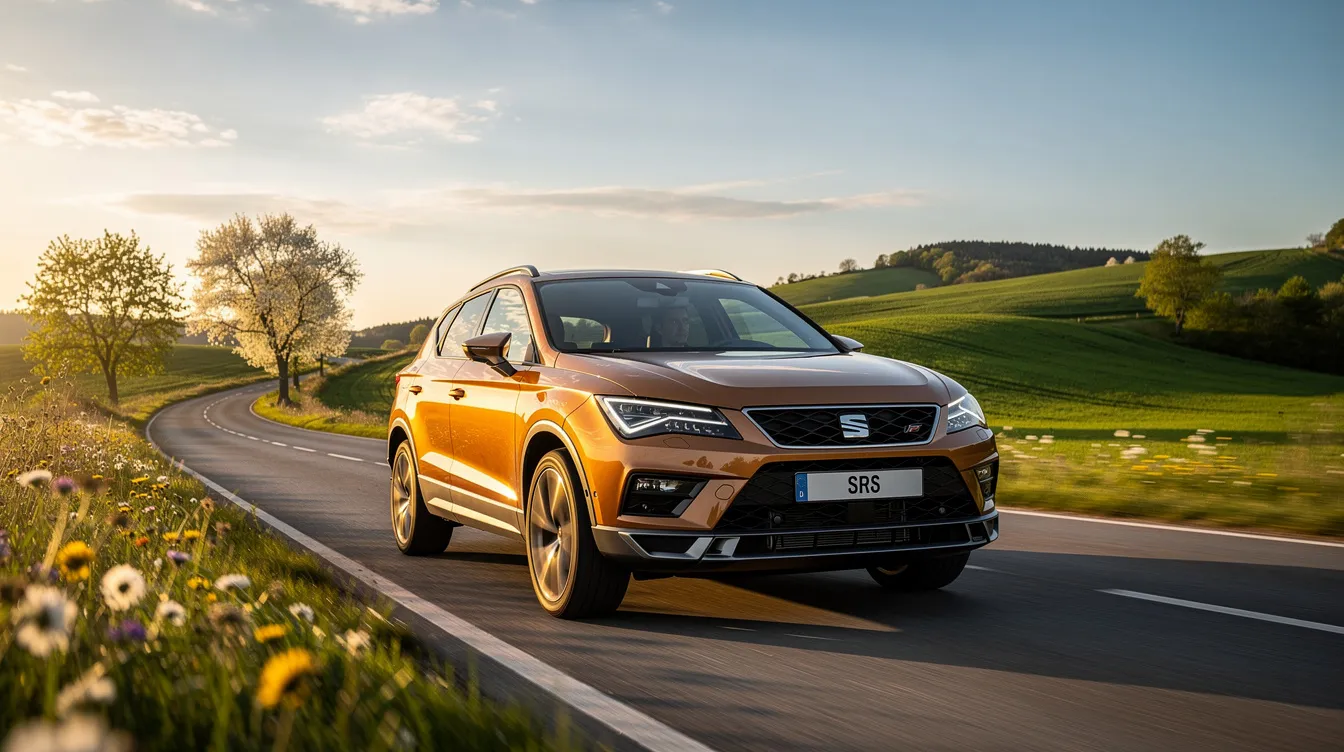
Finance, Part Exchange and Running Costs in 2026
The right time to upgrade is also about arranging a package that fits your household finances.
Finance options at Holders of Congresbury:
-
PCP (Personal Contract Purchase): Lower monthly payments, mileage-limited, balloon payment at end
-
HP (Hire Purchase): Build ownership over time
-
Outright purchase: No ongoing payments
Used cars, particularly 3-5 year old models, are holding strong value as of early 2026. Improved stock levels of nearly-new and part-exchanged vehicles are common following the high-volume March registration period. Dealerships typically work toward quarterly sales targets, making late May an advantageous time for buyers to secure sales.
Part exchange works simply: free valuation of your current vehicle, its value used as deposit contribution, everything handled locally. Running costs drop with newer models, servicing £200-£300 yearly versus £800+ for older cars.
Summer is also a popular time to upgrade your car, as the warm weather provides ideal conditions for test driving. Bring payslips or a budget outline if you want help structuring payments comfortably.
Why Upgrade Locally with Holders of Congresbury?
Holders of Congresbury has served Bristol, Weston-super-Mare, Clevedon, Yatton, Nailsea, and wider Somerset since 1958. Located on the A370 midway between Bristol and Weston, the dealership offers easy access for test drives and servicing.
As a SEAT franchised dealer and Bosch Car Service centre, Holders provides genuine SEAT parts, trained technicians, and reliable workmanship. You get a single trusted point of contact for new and used car sales, finance, part exchange, MOT testing, and accessories.
The team understands typical North Somerset usage, including school runs, Bristol commutes, and holiday trips, and can recommend appropriate models. Visit the Congresbury showroom, book a test drive, or request a free valuation of your current vehicle today.
FAQs: Upgrading Your Car in Somerset in 2026
Is 2026 a good year to upgrade if I mainly drive into Bristol city centre?
Yes. Bristol’s Clean Air Zone makes upgrading essential for drivers with older diesels or petrols. Newer SEAT petrol, hybrid, and electric models from Holders are CAZ-compliant, avoiding daily charges. The car market is currently in a balanced and stabilising phase, making it a favourable time to buy. Regular Bristol commuters should book a chat with the sales team to compare total monthly costs.
Should I wait for the next registration plate, or upgrade on a 26-plate now?
Upgrading to a 26-plate in mid-2026 gives you a current-year registration while avoiding the busier September rush. Waiting may mean fewer choices in stock and potential changes in finance offers. New vehicle buyers are incentivised to clear existing stock as new plate releases occur in March and September. Base your decision on your car’s current condition and upcoming MOT costs; if it’s becoming unreliable, it rarely pays to delay.
Can I upgrade my car if I still have outstanding finance on it?
In many cases, yes. Holders of Congresbury can settle existing finance as part of a part-exchange, subject to car value and settlement figure. The team obtains a settlement quote, values your car, and shows whether equity exists toward your next purchase. Don’t assume you must wait until the end of a PCP or HP agreement.
What if I’m not sure whether to go petrol, hybrid, or electric for Somerset driving?
The best choice depends on daily mileage and access to charging. As personal financial situations change, individuals may seek a more economical vehicle. Frequent short trips around Bristol or Weston may suit hybrid or electric, while mixed motorway and rural use fits efficient petrol or mild-hybrid SEATs. Book time with a Holders specialist to explore different powertrains on local routes.
How quickly can I change my car with Holders of Congresbury?
In straightforward cases where the right car is in stock, customers can move from valuation to driving away within a few days. Timing depends on availability, finance approval, and any extras like tow bars or accessories. If your current car may struggle at its next MOT, contact the team in advance so there’s time to prepare the right replacement.