



5 Signs It’s Time to Replace Your Car (and What to Choose Next)
Many drivers across Bristol and North Somerset find themselves asking the same question: should I keep repairing my old car or finally make the switch to something newer? It’s a decision that affects your wallet, your safety, and your daily routine. This guide walks you through the five signs that signal it’s time to replace your car, then helps you understand what to choose next.
Key Takeaways
-
Many drivers in Bristol and North Somerset struggle to know when to stop repairing an aging vehicle and start looking for a replacement.
-
The five key signs you need to watch for: constant repairs and frequent breakdowns, rising running costs, safety and tech gaps, lifestyle changes, and upcoming emissions legislation.
-
Switching to a newer or used SEAT, including hybrid and electric car options, can cut costs and reduce stress over the long term.
-
Holders of Congresbury can assess your current car, provide a part exchange valuation, and help you compare New SEAT vehicles alongside quality used options.
Is It Really Time to Replace Your Car?
If your current car is over 8-10 years old in 2026, regularly failing MOTs, costing £600+ annually in unscheduled repairs, or making you feel unsafe on the road, it’s usually more sensible to replace than keep repairing. Once a car passes 75,000 miles, the risk of breakdown increases significantly, and by the time it reaches 100,000 miles, major issues with the engine, transmission, and other critical components may arise.
Consider a concrete example: a 2010 hatchback with 120,000 miles that has needed a clutch replacement (£800 to £1,200), exhaust work (£400 to £600), and suspension repairs (£500 to £900) within the last year. Its market value sits around £1,500 to £2,500. The next major bill, perhaps a gearbox or engine issue exceeding £2,000, makes replacement the smarter choice. Vehicles exceeding 150,000 to 180,000 miles often require major, expensive overhauls due to their age and mileage.
That said, keeping your current vehicle can still make sense if it has low mileage, passes its MOT with only minor advisories, and remains cheap to insure and fuel. This article walks through five signs to watch for, then outlines how to choose a suitable next car: with examples from the SEAT range sold at Holders of Congresbury.
Sign 1: Your Car Keeps Breaking Down, and the Repair Bills Are Spiralling
There’s nothing more frustrating than calling recovery services from the A370 or M5 hard shoulder, missing work or school runs while waiting for a tow truck. Frequent breakdowns are a common sign that it may be time to replace your car, especially if it leaves you stranded often, indicating a failure in reliability. Driving a car that frequently breaks down poses significant safety risks for both the driver and other road users, making it essential to consider a newer, more reliable vehicle.
Repeated issues like starter motors (£200-£400), alternators (£300-£500), clutch failures (£800+), and persistent engine warning lights on cars over 100,000 miles can quickly exceed the car’s market value. Cars that have completed over 100,000 miles are likely to face issues such as spark plug problems, coolant corrosion, and other mechanical failures, especially if they have not been well-maintained. High-mileage vehicles often require more frequent repairs, and the cumulative cost of these repairs can exceed the value of your car, making replacement a more financially sound decision.
A good rule of thumb: if a single repair quote is more than half the vehicle’s current value, or if 12 months of repairs total more than a year’s worth of finance payments on a newer model, it’s a strong sign to replace. If repair costs for an older vehicle exceed 50% of its current value, it may be more economical to invest in a new car instead. Older vehicles often require more frequent and costly repairs, which can lead to a situation where the total repair costs surpass the cost of purchasing a new vehicle.
Keep a rough list of recent repair costs (excluding routine servicing, tyres, and standard wear items) to see the pattern clearly. As a SEAT franchised dealer and Bosch Car Service centre, Holders of Congresbury can provide an honest health check and tell you whether it’s time to stop throwing good money after bad.
Sign 2: Running Costs Are Draining Your Budget Every Month
Typical cost pain points in 2025-2026 include rising fuel prices (£1.50-£1.70 per litre), higher insurance premiums for older vehicles, and Vehicle Excise Duty for higher-emission petrol and diesel models registered before key tax changes. Pre-2017 cars often sit in higher VED bands, costing £200+ annually versus £180 for compliant equivalents.
As engines age, fuel economy often decreases, and newer models tend to be significantly more efficient, potentially saving hundreds annually in fuel costs. A larger, older-engined car, say a 2.0-litre petrol from 2011, might return 30 mpg or less on Bristol commuter routes. That translates to roughly £250 per month in fuel at 800 miles. A fuel-efficient modern car achieving 45 to 50+ mpg drops that to around £160 monthly. Many modern cars offer improved fuel efficiency and performance compared to older models, making them more cost-effective in the long run.
Insurance can climb as cars age because they’re more likely to be written off and expensive parts can be harder to source. Total Cost of Ownership includes insurance, road tax, fuel or charging costs, and maintenance costs over the next three to five years, which is well worth calculating before deciding.
Add up 12 months of fuel, insurance, tax, and major repairs for your current car. Compare this to an indicative monthly payment on a newer New SEAT vehicle like an Ibiza, Leon, or Arona using dealer finance examples. Holders of Congresbury can provide tailored finance quotes showing how moving into a newer or nearly-new SEAT flattens unpredictable costs into manageable monthly payments.
Sign 3: Your Car Feels Unsafe and Far Behind on Safety Tech
Many older vehicles still on Bristol and North Somerset roads were built before modern safety tech became standard, even if they’ve passed MOTs. Newer cars are generally equipped with advanced safety features such as automatic emergency braking, lane assist, and blind spot monitoring, which are not commonly found in older models.
New SEAT vehicles (including the 2024/2025 Ibiza and Leon) now include lane assist that prevents drift via steering torque, automatic emergency braking detecting pedestrians at 5-80 km/h, front assist with adaptive cruise control and collision avoidance, seven or more air bags including side airbags, tyre-pressure monitoring systems, and ISOFIX anchors on rear seats. Checking Euro NCAP safety ratings can reveal that newer 4-star cars are often safer than older 4-star ratings from a decade ago.
Contrast this with pre-2012 models that may only have basic ABS, dual front airbags, and lack electronic stability control entirely absent in 40% of 2000s vehicles. If the driver feels nervous in bad weather, at night, or when joining the M5, or if the car has structural rust near suspension or brake components, it’s a major sign to look at something newer. Structural rust, especially frame rot, significantly compromises vehicle safety and is rarely practical to fix permanently. If a car lacks modern safety features or fails safety inspections, it may not be worth fixing, indicating that replacement could be a safer option.
Some safety upgrades simply can’t be retrofitted economically to an old car. Holders of Congresbury offers safety-focused test drives in models like the SEAT Ateca or Tarraco so families can feel the difference in braking, visibility, and driver-assistance systems firsthand. Newer vehicles often include automated safety features and advanced driver assistance systems, such as self-parking and traffic jam assist, which can reduce driver fatigue and make driving less stressful.

Sign 4: Your Lifestyle Has Changed And Your Car No Longer Fits
Relatable local scenarios abound: moving from central Bristol to Clevedon or Yatton, welcoming a baby in 2025, starting a new job in Weston-super-Mare, or adding a dog to the family. Changes in family size, such as welcoming a new child or pet, often necessitate a bigger car to accommodate additional passengers and cargo. A change in commuting distance or job location can influence the decision to buy a new car, as long journeys may require a more comfortable or fuel-efficient vehicle.
These changes expose limitations: not enough ISOFIX-ready rear seats, cramped rear legroom, tiny boot space for pushchairs or sports kit, or a 3-door layout awkward for child seats. Lifestyle changes, such as taking up new hobbies that require transporting bulky equipment, can prompt the need for a different vehicle that better suits these activities.
A small 3-door city car that worked brilliantly for single commuting struggles with two child seats. A thirsty old estate burning more fuel than necessary is overkill if someone now mostly drives into Bristol a few days a week. Practical body-style upgrades within the SEAT range include moving from a small hatchback into a SEAT Arona or Ateca SUV for family space (400-500L boot capacity), or downsizing into a SEAT Ibiza for easier parking and lower city running costs.
Holders of Congresbury can talk through daily-routine details, such as school runs, motorway miles, and weekend trips to the Mendips, and recommend specific new or used SEATs matching those needs.
Sign 5: Emissions Standards and Future Regulations Are Catching Up With Your Car
The growing number of Clean Air Zones and emissions restrictions in UK cities affects Bristol drivers who may need to enter regulated areas more often from 2026 onwards. In the UK, cars must meet Euro 6 emissions standards set by the European Parliament and Commission, which dictate whether a vehicle is fit for the roads based on CO2 emissions and lower emissions targets.
Older diesels that don’t meet Euro 6 (generally pre-September 2015) and older petrol cars that don’t meet Euro 4/5 face daily charges of £9-£12 in certain zones. If a car fails to meet emission standards and cannot be modified to reduce emissions, it is often a clear indication that the vehicle should be replaced. As emissions laws become stricter, it is increasingly beneficial for car owners to consider upgrading to vehicles that comply with current emissions standards to avoid potential charges and penalties.
Failing or coming close to failing MOT emissions tests leads to repeated, time-consuming, and expensive work on catalytic converters, DPFs, and exhaust systems. Many newer SEAT models, including mild hybrid and plug-in hybrid variants of the SEAT Leon, meet current rules and are designed with upcoming legislation in mind.
If you regularly travel to Bristol or other major cities for work, shifting to a compliant petrol, hybrid car, or fully electric car now avoids future headaches and extra daily charges.
What to Choose Next: New vs Used, Petrol vs Electric, and Picking the Right SEAT
There’s no one-size-fits-all answer. Many drivers near Bristol will be best served by a carefully chosen used car; others benefit most from a brand-new SEAT with a warranty and the latest tech.
New SEAT Vehicles offer full manufacturer warranty (typically 3 years/60,000 miles), latest safety and infotainment including Full Link with Apple CarPlay and Android Auto integration, customisable finance options, and choice of trim and colour from factory orders. Modern cars are equipped with advanced technology features such as Apple CarPlay and Android Auto, which enhance connectivity and convenience for drivers. The 2024/2025 Ibiza, Leon, and Arona represent better choice options for most driving patterns.
Approved Used and Nearly-New Cars provide lower upfront cost and slower depreciation (20% year one vs 40% for new). You can often get a higher-spec SEAT for the same budget. If buying used, it is important to check for a full service history and a clean MOT history. Holders of Congresbury supplies carefully check used vehicles with documented history, valid MOT, and full aftersales support.
Powertrain Choices depend on your driving habits. Efficient petrols (1.0 TSI achieving 50 mpg mixed) suit most drivers. Diesels (60 mpg motorway) remain sensible for high M5 mileage. Plug-in hybrids like the SEAT Leon e-Hybrid offer a 50-mile electric range for urban trips. A fully electric car suits those with home charging and regular short commutes, cutting fuel costs by up to 70%. Test driving is essential to assess comfort, visibility, and how the car handles different road surfaces before making your informed decision.
How Holders of Congresbury Can Help You Decide (And Save Money)
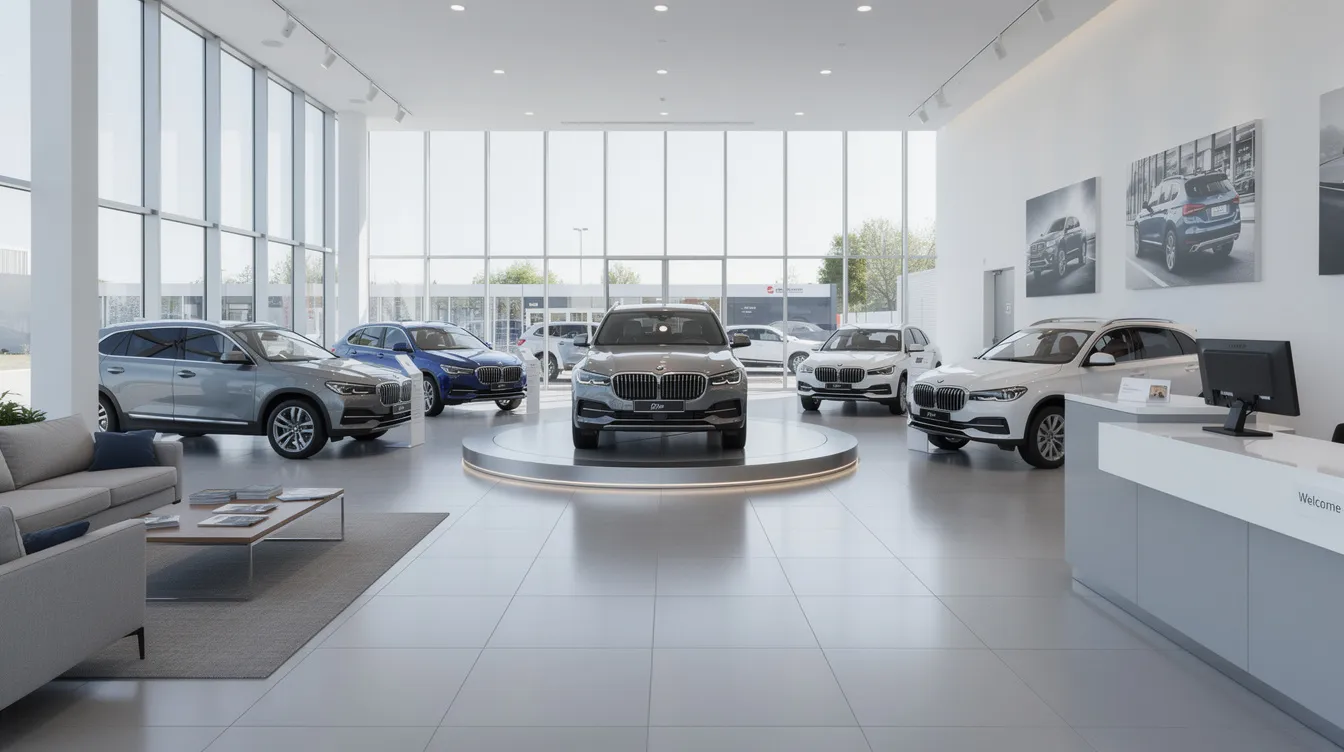
Holders of Congresbury has served as a long-established SEAT franchised dealership and full-service garage covering Congresbury, Bristol, Weston-super-Mare, and the surrounding North Somerset areas since 1958. As both a SEAT franchise and Bosch Car Service centre, we support the repair-or-replace decision with fixed-price diagnostics (£99), pre-MOT inspections, honest servicing advice, and quotes for both repair and replacement so you can compare directly.
The team provides on-the-spot part exchange valuations of your current vehicle, showing how that equity contributes toward a New SEAT vehicle or quality used car. Worth bearing in mind: finance options including PCP and HP, extended warranties up to 5 years, and service plans from £20/month help spread costs and provide peace of mind for families, commuters, and young drivers.
Contact Holders of Congresbury, book a test drive in a New SEAT vehicle, or pop into the showroom for a no-pressure chat about your current car’s condition and your next vehicle options.
FAQ: Replacing Your Car and Choosing Your Next One
These FAQs cover common questions not fully answered above, particularly relevant for drivers around Bristol and North Somerset considering whether to save their current vehicle or upgrade.
How Close to My MOT Date Should I Think About Changing My Car?
Start considering options 2-3 months before MOT is due, especially if the car had advisories or needed major repairs at the last test. This gives time to get a pre-MOT check at Holders of Congresbury, understand likely upcoming repair costs, and compare them calmly with offers on New SEAT vehicles or used cars. If a car fails its MOT badly, the owner often feels rushed into a purchase; planning earlier avoids that pressure.
Can I Change My Car If I Still Have Outstanding Finance?
The settlement process works straightforwardly: the dealer requests a settlement figure from the finance company, values the current car, and uses any equity as a deposit on the next vehicle. If the car is in negative equity, options may include clearing the shortfall with a cash payment or, in some cases, spreading it into a new agreement subject to status and affordability checks. Bring your current finance paperwork to Holders of Congresbury so the team can explain exchange options clearly without obligation.
Is It Cheaper in the Long Run to Buy Used Instead of a Brand-New SEAT?
A well-chosen used car often has a lower total cost of ownership due to reduced depreciation, but a brand-new SEAT offers a full warranty, latest efficiency, improved reliability, and potentially lower running costs. Compare not just purchase price but monthly payments, fuel, insurance, and expected repairs over 3-5 years using examples from both new and used SEAT models. Holders of Congresbury can quote both options side by side, so you see which truly fits your budget.
When Does Going Electric or Hybrid Make Sense for Drivers Around Bristol?
Plug-in hybrid or fully electric SEAT models suit drivers who do regular urban or suburban mileage, have access to home or reliable public charging, and want to reduce fuel and emissions costs. Those with mainly short daily commutes into or around Bristol can often complete most journeys on electric power, while longer-distance drivers might prefer an efficient petrol, diesel, or plug-in hybrid as a stepping stone. Discuss your exact mileage, parking, and charging options with the Holders of Congresbury team for the most suitable recommendation.
What If I’m Emotionally Attached to My Current Car?
Many people in North Somerset keep cars for sentimental value, especially if they’ve owned them from new or associate them with important life events. Being honest about safety concerns, reliability, and financial impact makes more sense long-term. If the car is genuinely unsafe or unaffordable, it may be better to let it go and preserve memories with photos or a small memento. You don’t have to decide on the spot; instead, bring the car to Holders of Congresbury for an assessment and take time to think before committing to any change.