



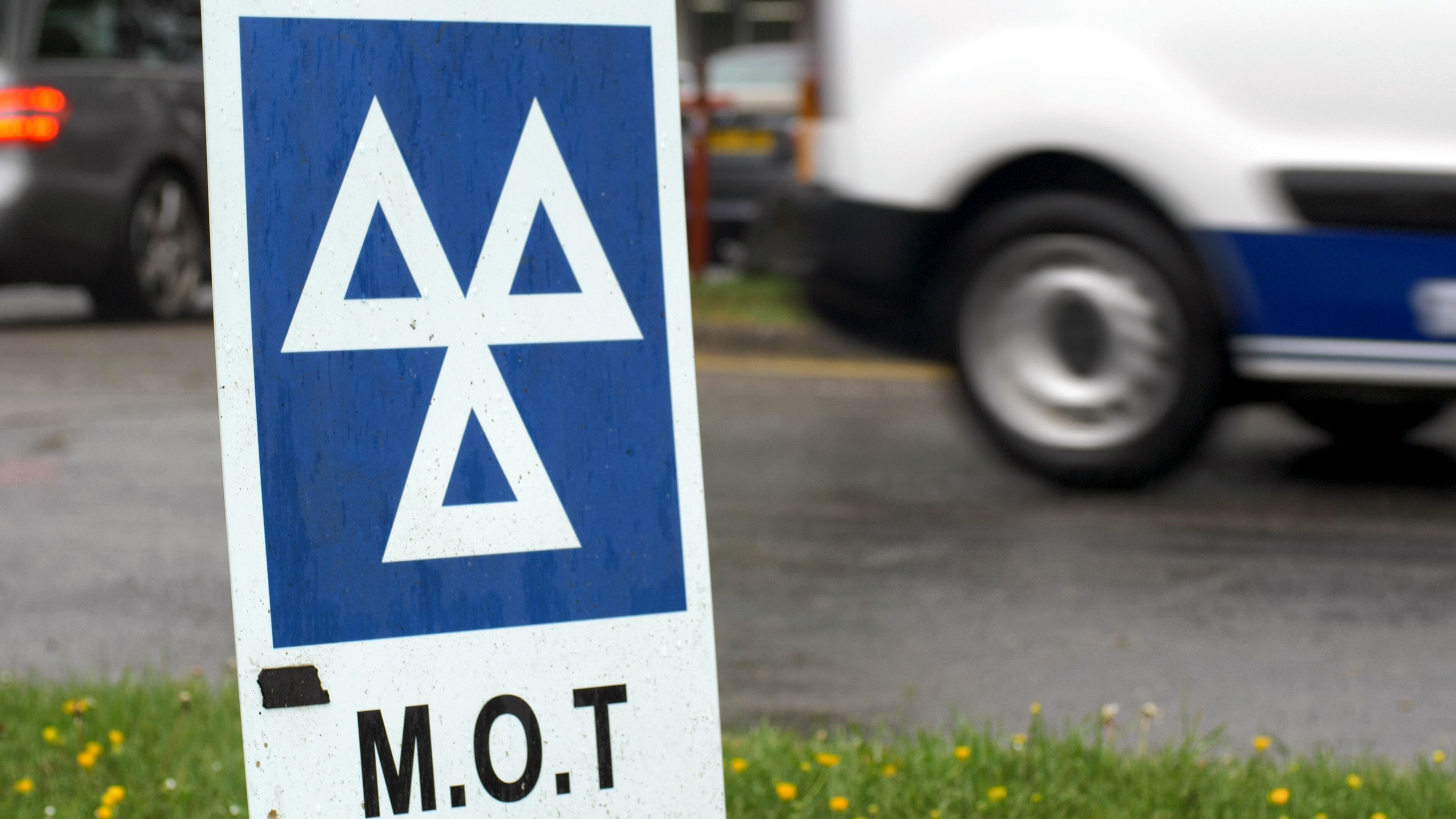
What to Expect at an MOT in Clevedon or Congresbury
What to Expect at an MOT in Clevedon or Congresbury
When your MOT is due, one of the first things most drivers do is search for “MOT near me.” If you are based around Clevedon or Congresbury, you will see a range of local options. Choosing the right garage is important, but understanding what actually happens during an MOT is just as valuable.
This guide walks you through the process step by step, explains how to prepare, and highlights why many local drivers trust established centres such as Holders of Congresbury.
Understanding the MOT test
An MOT is a legal requirement in the UK for vehicles over three years old. The test is designed to ensure your car meets minimum road safety and environmental standards. It is not a full service, but it is a detailed inspection that checks whether your vehicle is safe to drive.
Driving without a valid MOT can lead to penalties, and it may also create insurance or legal issues depending on the circumstances. More importantly, it increases the risk of mechanical issues going unnoticed. For drivers in busy areas like Clevedon or for those commuting towards Bristol, staying roadworthy is essential.
Why “MOT near me” matters locally
Searches for “MOT near me” are usually about convenience and trust. Drivers want somewhere close by, easy to access, and reliable. Local garages build their reputation over time, and this matters when you are handing over your car.
Holders of Congresbury lists its dealership at Weston Road, Congresbury, Bristol, BS49 5DX, with local contact details for customers in the area. A long-established local business can give drivers confidence that they will receive clear advice and consistent service.
Location also plays a role in practicality. Being able to drop your car off and continue your day without too much disruption is a big advantage, especially for people balancing work, school runs, and daily travel.
What happens during an MOT
When you take your car in for an MOT, the test itself usually takes between 45 minutes and an hour, although timings can vary by vehicle and whether repairs are needed. During that time, a certified tester carries out a structured inspection covering key safety and environmental components.
The process starts with checks on visibility and general condition. This includes the windscreen, wipers, mirrors, and number plates. Even relatively small issues such as chips in the driver’s line of sight or unreadable plates can cause problems during the test.
The technician then moves on to lights and electrical components. Headlights, indicators, brake lights, and hazard lights are checked to make sure they function correctly and are properly aligned.
Tyres and wheels are also inspected. The legal minimum tread depth in the UK is 1.6mm, and tyres must be free from serious damage. Uneven wear can sometimes point to alignment or suspension issues.
Brakes are one of the most important parts of the test. Their performance is assessed to ensure the car can stop safely and evenly. Steering and suspension are also checked to confirm the vehicle remains stable and responsive on the road.
The structure of the vehicle is assessed next. This includes parts of the body, doors, seats, seat belts, and overall safety-related condition. Finally, emissions are tested to confirm the vehicle meets environmental standards.
Choosing a SEAT specialist for your MOT
While any authorised MOT test centre can carry out an MOT, there can be advantages to choosing a specialist, especially if you drive a SEAT. A dealership such as Holders of Congresbury promotes SEAT servicing, MOT support, and aftersales care from its Congresbury site.
Manufacturer-trained teams may be better placed to recognise model-specific issues, explain faults clearly, and carry out follow-on work using approved parts and current technical guidance. Even if your car is not a SEAT, some dealership service centres still offer MOT testing and repairs for a wider range of vehicles.
Passing your MOT
If your car passes, you will receive confirmation that it meets the required legal standards. You may also receive advisories, which are not failures but do highlight items that could need attention in the near future.
Advisories are worth taking seriously. Dealing with them early can help prevent more expensive repairs later and reduce the risk of failing your next MOT.
What if your car fails
Failing an MOT is not unusual, and many failures are caused by issues that are relatively straightforward to fix. Common problem areas include worn tyres, faulty lights, brake wear, and visibility-related defects.
A reputable local garage should explain the reasons for failure clearly and provide a transparent quote for repairs. If the work is completed at the same location, you can often arrange a retest within a short period, which is useful for drivers who need the car back on the road quickly.
Preparing for your MOT
A little preparation can make a big difference. Simple checks at home can reduce the risk of failure and help you avoid avoidable issues on the day.
- Make sure all your lights are working, including indicators and brake lights.
- Check your tyres for tread depth and visible damage.
- Top up your screen wash and make sure your wipers clear the windscreen properly.
- Check that seat belts function correctly.
- Make sure your number plates are clean and easy to read.
These checks only take a few minutes but can improve your chances of passing first time.
Booking your MOT at the right time
Many drivers leave their MOT booking until the last moment, which can limit availability and create extra pressure if repairs are needed. Booking earlier gives you more flexibility and peace of mind.
You can have your MOT carried out up to one month before the expiry date without losing any time on your certificate, which makes early booking a practical option. Local providers such as Holders of Congresbury offer contact options through their Congresbury dealership, making it easier to arrange a suitable appointment.
Combining your MOT with a service
Many drivers in North Somerset choose to book a service at the same time as their MOT. This can improve the chances of passing and helps keep the vehicle in better overall condition.
An MOT is not the same as a service. A service checks additional maintenance items such as engine condition, oil, and fluid levels, so combining the two can save time and support longer-term reliability.
The value of a trusted local garage
Choosing a local MOT centre is about more than convenience. It is also about building trust with a team that understands your vehicle, your driving habits, and the level of service you expect.
Drivers in Clevedon and Congresbury often rely on reputation and consistency when choosing where to book. Holders of Congresbury has a long business history and maintains a visible local dealership presence, which can help reassure customers looking for an established provider.
With a trusted local garage, you can usually expect clearer communication, more practical support, and a smoother overall experience.
How long it all takes
In most cases, the MOT itself takes between 45 minutes and an hour. If repairs are needed, the total time will depend on the nature of the issue and parts availability.
Planning ahead and choosing a reliable centre can make the process much easier to manage, especially if your vehicle is essential for daily travel.
Frequently Asked Questions About MOTs in Clevedon and Congresbury
1. How early can I book my MOT?
You can book your MOT up to one month before your current certificate expires without losing any remaining time. Many drivers choose to book early to avoid last-minute stress and improve appointment choice.
2. How long does an MOT take?
An MOT test usually takes between 45 minutes and an hour. If your vehicle needs repairs, this can extend the total time.
3. Can I wait while my MOT is being done?
Many MOT centres offer a waiting area, although facilities vary by site. It is best to confirm this when booking directly with the garage.
4. What happens if my car fails its MOT?
If your car fails, you will receive details of the problems that need to be fixed. A reputable local garage should explain these clearly and provide a quote for repairs, after which the car can be retested.
5. What are the most common reasons for MOT failure?
Common reasons include worn tyres, faulty lights, brake problems, and visibility issues such as damaged wipers or windscreen defects.
6. Do I need an MOT every year?
Yes, once your vehicle is over three years old, it normally needs an MOT every year to remain road legal in the UK.
7. Can I drive my car if it has failed its MOT?
You may only be able to drive it in limited legal circumstances, such as to a pre-booked repair appointment or retest, and not if the vehicle has a dangerous defect.
8. Is an MOT the same as a car service?
No. An MOT is a legal inspection for minimum road safety and environmental standards, while a service is broader vehicle maintenance.
9. Can any garage carry out an MOT?
No. Only authorised MOT test centres can legally carry out MOT tests.
10. How can I improve my chances of passing first time?
Check your lights, tyres, wipers, washer fluid, seat belts, and number plates before the test. Keeping up with regular servicing can also help spot issues before they become MOT failures.