



Owning a SEAT vehicle offers a balance of performance, reliability and modern technology, but like any car, regular servicing is essential to maintain safety, efficiency and long-term value. Understanding your SEAT service schedule helps you keep your vehicle running smoothly while avoiding unexpected repair costs. For drivers across Somerset and North Somerset, especially those who rely on their car for daily commuting or family use, staying on top of routine maintenance is an important part of responsible car ownership.
Whether you drive a SEAT Leon, Ibiza, Ateca, Arona or Tarraco, following the correct servicing intervals ensures optimal performance, preserves resale value and helps maintain manufacturer warranty requirements. Local authorised dealerships such as Holders of Congresbury provide expert servicing support using genuine parts and approved maintenance procedures.
Why Regular SEAT Servicing Matters
Regular servicing is not just about ticking boxes on a maintenance schedule. It plays a crucial role in keeping your vehicle safe, efficient and reliable. Modern cars are complex machines with advanced electronics, safety systems and engine technologies that benefit from professional inspection and calibration.
Routine servicing helps identify small issues before they become major problems. A worn brake pad, ageing battery or minor fluid leak can often be addressed quickly and affordably if detected early. Ignoring scheduled servicing increases the risk of breakdowns, reduced fuel efficiency and costly repairs.
For Somerset drivers who depend on their car for commuting, school runs or long journeys across the South West, reliability is essential. Regular servicing provides peace of mind and ensures your SEAT remains ready for everyday driving.
Typical SEAT Service Intervals
SEAT vehicles generally follow either fixed or flexible service intervals depending on the model, engine type and driving conditions. Many modern SEAT cars feature onboard systems that monitor driving style, mileage and engine conditions to determine when servicing is required.
A common guideline includes an interim service roughly every 10,000 miles or annually, with a more comprehensive major service at around 20,000 miles or every two years. However, exact schedules can vary, so checking your owner’s manual or consulting an authorised SEAT dealership remains the best approach.
Drivers covering higher annual mileage, such as commuters travelling between Somerset towns and Bristol, may require more frequent servicing than occasional drivers.
What Is Included in a SEAT Interim Service
An interim service focuses on essential maintenance items that keep your vehicle operating safely between major service intervals. This typically includes oil and oil filter replacement, fluid level checks, brake inspection and tyre condition assessment.
Technicians also examine lights, wipers, steering components and safety systems to ensure everything functions correctly. These routine checks help maintain performance while identifying potential concerns before they escalate.
For many Somerset drivers, especially those with daily commuting requirements, interim servicing supports consistent performance and fuel efficiency.
What Happens During a Major Service
A major service provides a more comprehensive inspection and maintenance procedure. In addition to the tasks included in an interim service, technicians may replace air filters, pollen filters and spark plugs depending on the vehicle model and mileage.
Brake components receive a detailed inspection, suspension systems are checked more thoroughly and diagnostic scans ensure electronic systems are functioning correctly. Fluids such as coolant or brake fluid may also be replaced according to manufacturer recommendations.
This level of servicing helps maintain vehicle longevity and ensures optimal performance across varied driving conditions, including rural Somerset roads, motorway travel and urban commuting.
Oil Changes and Engine Health
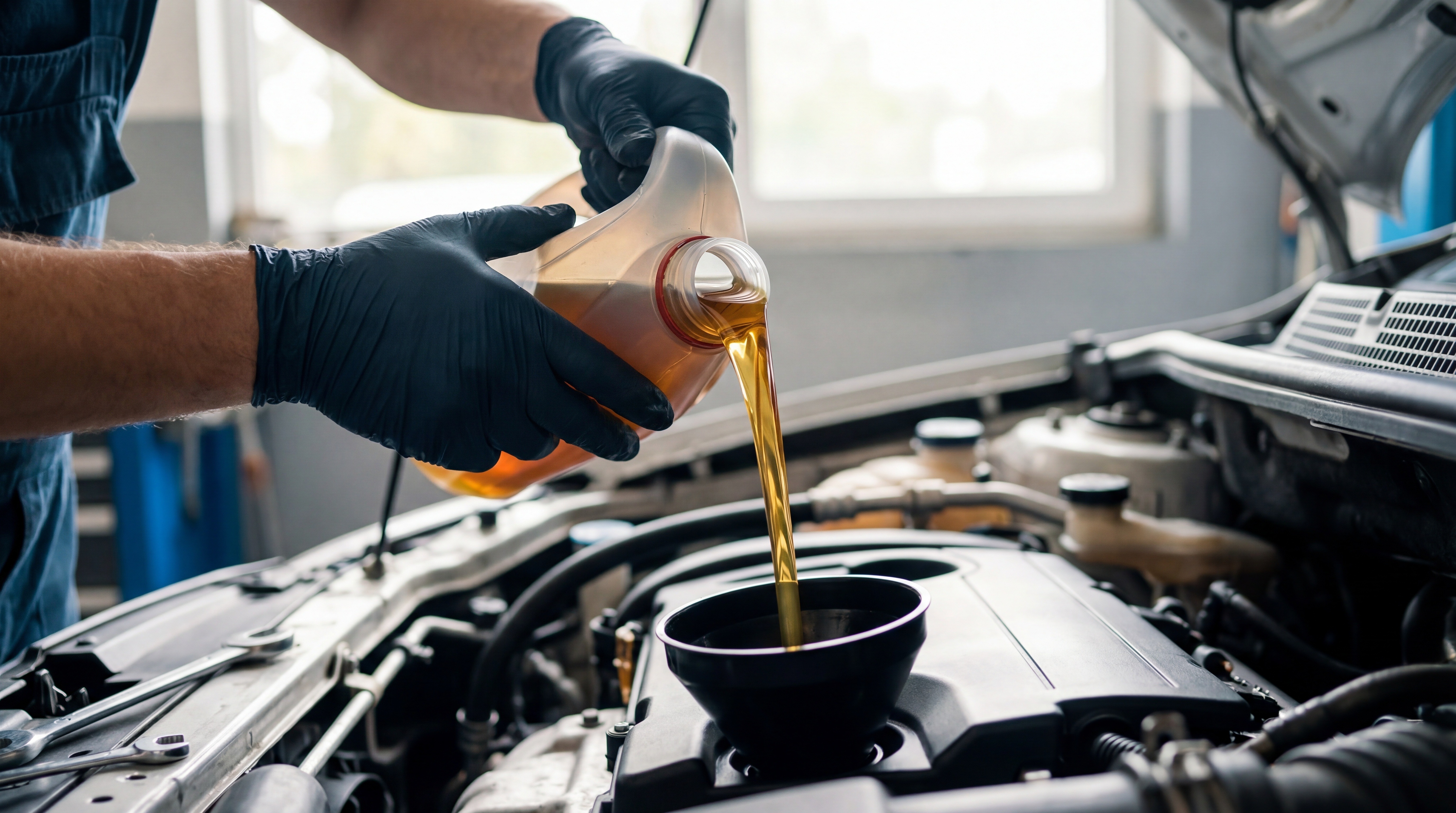
Regular oil changes remain one of the most important aspects of vehicle servicing. Engine oil lubricates moving components, reduces friction and helps regulate temperature. Over time, oil degrades and becomes less effective.
Failing to replace engine oil at recommended intervals can lead to increased wear, reduced efficiency and potential engine damage. Modern SEAT engines are engineered for efficiency, but they still depend on clean, high quality oil to perform correctly.
Professional servicing ensures the correct oil specification is used, supporting both performance and fuel economy.
Brake System Maintenance
Brake performance directly affects safety. During servicing, technicians inspect brake pads, discs, callipers and hydraulic systems to ensure effective braking performance.
Somerset drivers often encounter varied terrain including hills, rural roads and motorway driving, which can influence brake wear. Regular inspections help maintain safety while preventing more costly repairs caused by neglected brake components.
Prompt replacement of worn brake parts helps preserve stopping power and overall vehicle stability.
Tyres, Alignment and Suspension Checks
Tyres are another critical safety component. Servicing typically includes tyre condition checks, pressure adjustments and inspection for uneven wear. Proper tyre maintenance improves fuel efficiency, safety and ride comfort.
Suspension and alignment checks ensure stable handling, particularly important on uneven rural roads common across Somerset. Well maintained suspension contributes to a smoother ride and better vehicle control.
Regular attention to these components enhances driving comfort and safety throughout the year.
Digital Diagnostics and Modern Vehicle Technology
Modern SEAT vehicles incorporate advanced electronics, driver assistance systems and digital controls. Servicing often includes diagnostic scans that identify software updates, sensor issues or emerging faults.
These checks help ensure features such as parking sensors, navigation systems, driver assistance technologies and infotainment platforms operate correctly. Keeping vehicle software updated also enhances performance and security.
As automotive technology continues evolving, professional servicing becomes increasingly important.
Preserving Warranty and Resale Value
Following the recommended service schedule helps maintain manufacturer warranty coverage. Missed services or incomplete maintenance records can affect warranty claims if issues arise.
A full service history also supports resale value. Buyers often prioritise vehicles with documented servicing because it indicates responsible ownership and reduces perceived risk.
For Somerset drivers planning to upgrade their vehicle in the future, maintaining a consistent service record can provide financial benefits.
Seasonal Considerations for Somerset Drivers
Local driving conditions influence servicing needs. Wet weather, rural road surfaces and seasonal temperature changes can affect tyres, brakes and battery performance.
Winter servicing may include battery testing, antifreeze checks and tyre condition assessments. Summer servicing might focus on air conditioning performance, cooling systems and tyre wear.
Tailoring maintenance to regional conditions helps ensure year-round reliability.
Benefits of Servicing with an Authorised SEAT Dealership
Using an authorised dealership such as Holders of Congresbury offers several advantages. Technicians receive manufacturer-specific training, genuine SEAT parts are used and servicing follows approved procedures.
Dealerships also have access to the latest diagnostic equipment, software updates and technical bulletins. This ensures your vehicle receives the most accurate and up-to-date care.
Local dealerships provide convenience, trusted expertise and continuity of service history.
Cost Management Through Preventative Maintenance
Regular servicing helps avoid unexpected repair expenses. Preventative maintenance often costs less than emergency repairs caused by neglected components.
Efficient engines, properly inflated tyres and well maintained brakes also contribute to lower running costs. Over time, consistent servicing can result in significant savings.
For commuters covering substantial mileage across Somerset, preventative maintenance makes financial sense.
How to Stay on Top of Your Service Schedule
Many drivers rely on dashboard service reminders, digital apps or dealership notifications to track servicing intervals. Keeping records organised and booking appointments in advance helps maintain consistency.
If unsure about your vehicle’s service requirements, contacting a SEAT specialist dealership provides clarity and ensures correct maintenance timing. Proactive servicing helps prevent inconvenience and supports long-term vehicle reliability.
Conclusion
Understanding your SEAT service schedule is key to maintaining safety, efficiency and vehicle longevity. Regular servicing keeps engines performing smoothly, supports fuel economy, protects resale value and ensures compliance with manufacturer warranty requirements.
For drivers across Somerset and North Somerset, professional servicing through an authorised dealership like Holders of Congresbury provides expertise, convenience and reassurance. By staying proactive with maintenance, you can enjoy dependable performance from your SEAT vehicle while minimising unexpected costs.
Consistent servicing ultimately enhances the ownership experience, ensuring your SEAT remains a reliable partner for commuting, family life and everyday travel throughout Somerset and beyond.
Frequently Asked Questions About SEAT Servicing and Maintenance
- How often should I service my SEAT vehicle?
Most SEAT vehicles require servicing every 12 months or around 10,000 to 20,000 miles depending on the model, engine type and driving conditions. - What is included in a standard SEAT service?
Typical services include oil and filter change, brake inspection, tyre check, fluid top ups, battery testing and safety inspections. - What is the difference between an interim and major service?
Interim service covers essentials like oil and safety checks, major service includes deeper inspections, component replacements and diagnostics. - Do I have to use an authorised SEAT dealership?
No, but authorised dealerships like Holders of Congresbury ensure warranty compliance and manufacturer-approved servicing. - Will missing a service affect my warranty?
Yes, skipping scheduled services can impact manufacturer warranty claims. - How much does a SEAT service cost?
Costs vary by service level and vehicle. Interim is cheaper, major involves more parts and labour. Service plans can help manage costs. - Why are regular oil changes important?
Oil lubricates engine parts, reduces friction and heat, protecting performance and preventing damage. - Does servicing improve fuel efficiency?
Yes, clean filters, fresh oil, correct tyre pressure and functional components help engines run efficiently. - Can servicing improve resale value?
Yes, documented service history shows responsible ownership and increases buyer confidence. - How do I know when my SEAT needs servicing?
Dashboard reminders, owner manual or dealership guidance indicate when maintenance is due.